

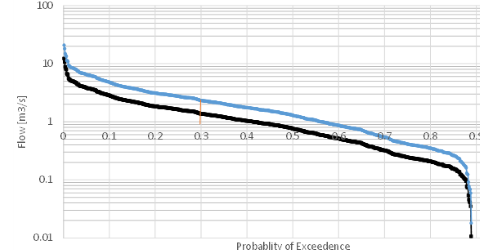
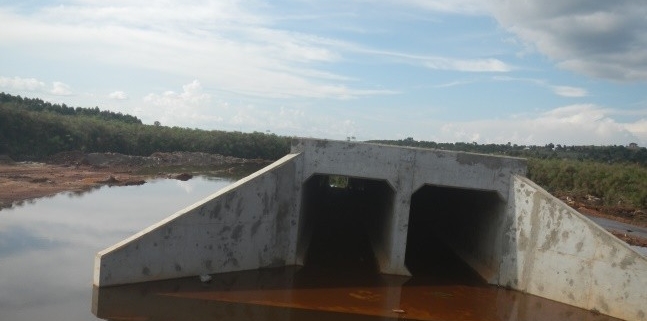
Our team carries out hydrological and hydraulic studies, utilizing long term rainfall data, runoff pattern determined by climatic and physiographic factors including topographic data, land use data, climate models, and existing design data. Potential flooding impacts are modelled and flooded areas for various rainfall return periods such as 2-year, 10 – year, 25 – year, 50 year and 100-year. The Hydraulic structures are examined for adequacy to convey flood events under the Pre-development and post development scenarios without causing flooding nuisance. Flooded areas for each scenario are mapped out to inform decision making including design improvements and land acquisition extent.
Flood risk and vulnerability assessments to inform Physical Development plans, Drainage Master Plans and drainage designs in Cities and Municipalities.
Service Sectors:
- Transport infrastructure including roads, bridges and railways
- Municipal infrastructure, including drainage infrastructure
- Siting and design of built up areas
- Agriculture -irrigation planning, drainage
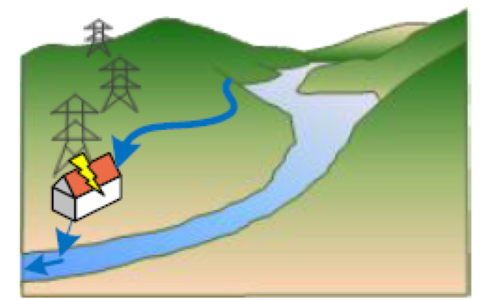
- Hydroelectric Power Plant designs, including plant and gate sizing, design floods
Key Features:
- Assessment of historical climate data, climate projections
- Hydrological analysis
- Developing risk profiles, hazards
- Risk analysis, Vulnerability and exposure
- Design of hydraulic structures
- Adaptation measures including Governance, infrastructure, nature based solutions, Equity and livelihoods
The benefits
- Climate resilient designs
- Reduced maintenance costs for drainages, roads
- Loss of revenues due to disruptions to businesses avoided
Community benefits – Public health, averted business losses, access to services